
In partnership with Newsweek magazine, Country Reports is launching a series of reports on Scotland. The reports will feature both online and in print and will focus on several key sectors, from industry to renewable energy, to sustainable agriculture and innovative manufacturing.
1,3 %
ANNUAL ECONOMIC GROWTH (2019)
5.4 Million
Population
77,910 km²
SIZE
Scotland: U.K.’s industrial powerhouse
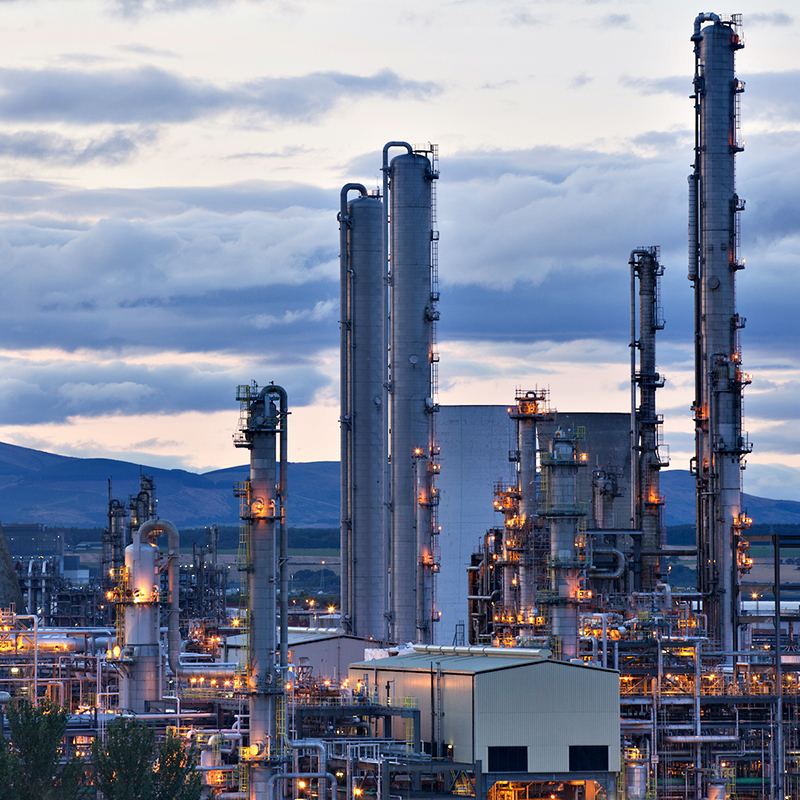
The northern part of Great Britain has long attracted industry players to join its thriving energy, life sciences and agri-food industries. But it is now digital tech and business services leading the push in FDI, with overseas businesses choosing to do business in Scotland more than any other U.K. region outside of London. While the economy slowed significantly due to the COVID-19 pandemic and shortages related to Brexit, Scotland has been quick to bounce back as businesses open their doors and restrictions are lifted.
Gearing up to tap into its rich renewable capacity
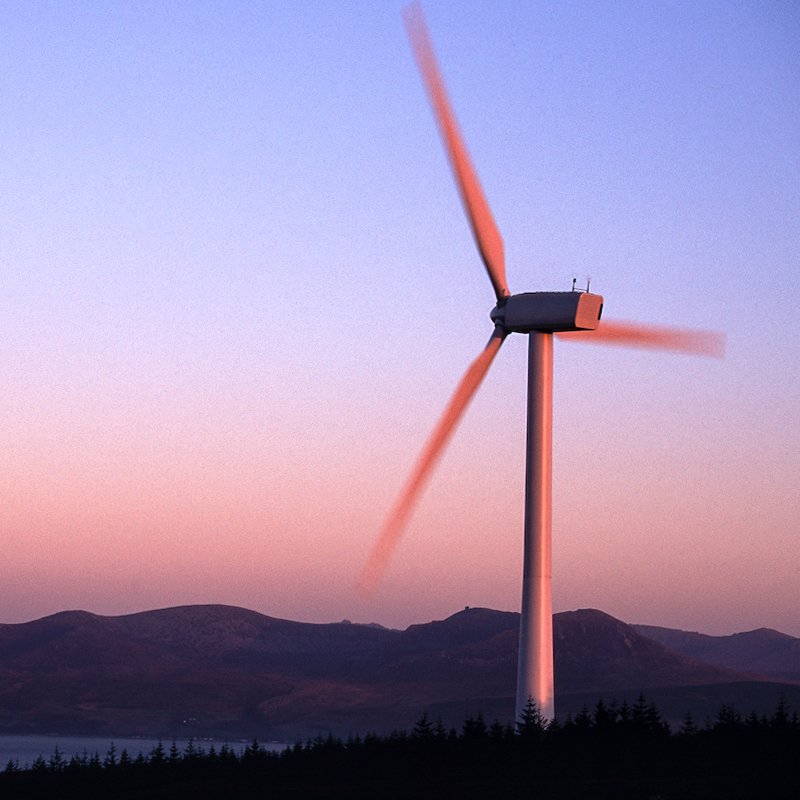
Scotland is well ahead of the game when it comes to renewable innovation, having tripled electricity production from green sources in the last decade. In 2020, 97.4 percent of the country’s electricity demand was met by renewable sources. The nation is a leader in decarbonization technology; it is home to the world’s first tidal array and floating offshore wind farm. A gas-fired power plant in Aberdeenshire was recently equipped with carbon capture and storage technology that will capture 15 million tons of CO2 per year, meeting about 15 percent of the UK’s target by 2030. Onshore wind accounts for 70% of the country’s capacity, followed by hydropower and offshore wind, while Scotland’s solar potential has yet to be fully harnessed.
Cradle of sustainable agriculture and development
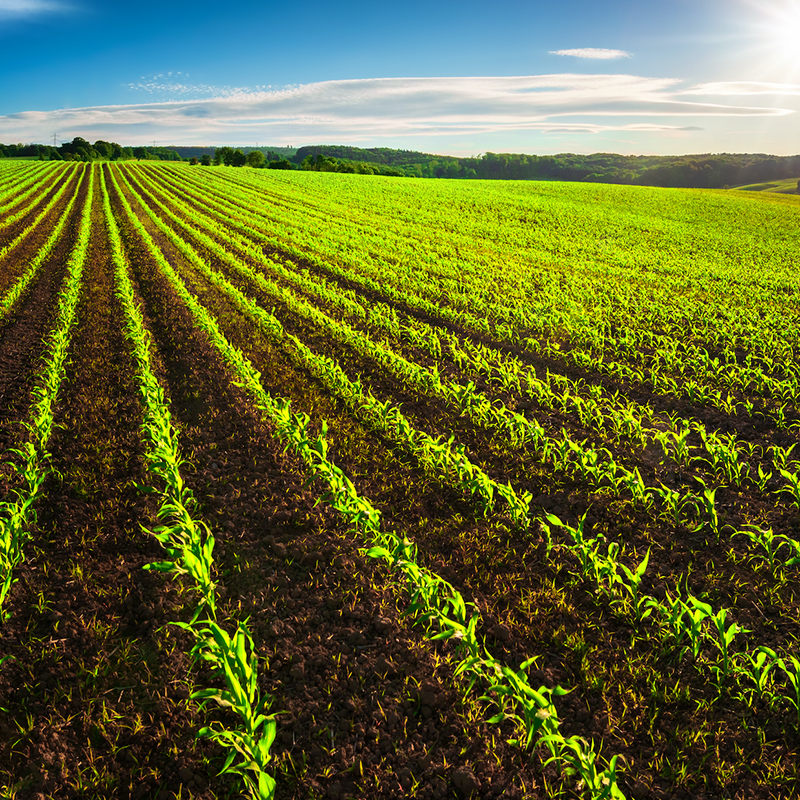
Scotland’s famous green hills are dominated by the country’s massive agriculture industry, with 80% of the country’s land mass used for production. The nation’s maritime sector also plays a strategic role in bolstering the economy. Besides Scotland’s thriving whiskey sector, which sees 39 bottles shipped every second, seafood is the country’s second largest export. Scottish salmon is both Scotland and the UK’s top food export. However, challenges caused by Brexit such as raised tariffs and difficulty in staffing continue to put pressure on farmers. Besides, the sector amounts to around a quarter of greenhouse gas emissions in Scotland. Government action is expected following the 2021 United Nations Climate Change conference in Glasgow.
Traditional manufacturing embraces modern innovation
Glasgow is the fourth-largest manufacturing center in the UK and accounts for more than 60 percent of the country’s manufacturing, and half of the country’s exports, mainly textiles, whiskeys, jet engines, marine vessels and microelectronics. What makes Scotland’s manufacturing sector unique is its wide investment in research and development, which makes up about 47% of business expenditure. To support this, the government recently invested $102 million in the formation of the National Manufacturing Institute Scotland, which will link the public sector with academia and enterprise for the advancement Industry 4.0 practices. The institute will foster sustainable practices and new technologies to make the country a leader in advanced manufacturing.
Top-notch financial services sector hits digital transformation
While often overshadowed by London’s suite of financial services powerhouses, Scotland’s banking and fintech sectors are no small players. Currently, the country houses more than 2,000 financial businesses that employ 84,000 professionals, making it the second largest hub outside of England’s capital. The number of Scottish small and medium-sized businesses in financial technology saw a rise of 50 percent between March 2020 and September 2021. The sector is bolstered by Scotland’s reputation as a center for financial education, with around 290,000 Scottish, EU and international students currently enrolled in finance programs with specializations in big data, blockchain, artificial intelligence, cyber security and the latest fintech.